Air filters play a crucial role in maintaining the quality of indoor air and the efficiency of HVAC systems. They are designed to capture dust, pollen, pet dander, and other airborne particles, preventing them from circulating throughout your home. By doing so, air filters not only enhance the comfort of your living space but also contribute to the overall health of its occupants. Understanding the different types of air filters available is essential for making informed decisions about your home’s air quality.There are several types of air filters, each with its own unique features and benefits.
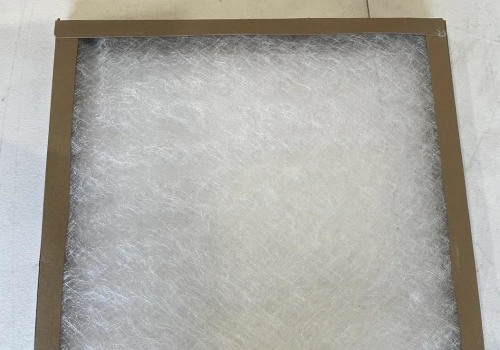
The most common types include fiberglass filters, pleated filters, HEPA filters, and the increasingly popular 4-inch filters like the 16x25x4 furnace filter. Fiberglass filters are typically inexpensive and effective at capturing larger particles but may not provide adequate filtration for smaller allergens. Pleated filters offer a greater surface area for trapping particles and can be more efficient than their fiberglass counterparts. HEPA filters are known for their high efficiency in removing tiny particles, making them ideal for allergy sufferers.Among these options, the 4-inch air filter stands out due to its ability to capture a higher volume of contaminants while requiring less frequent replacement.
This is particularly beneficial for households with pets or individuals who suffer from allergies or respiratory issues. As we delve deeper into the advantages of upgrading to a 4-inch filter, it’s important to recognize how these filters can significantly improve both air quality and HVAC system performance.
What is a 4-Inch Air Filter?
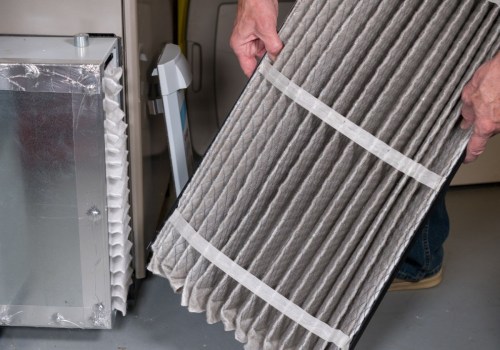
A 4-inch air filter is a type of air filtration device designed to fit into HVAC systems, specifically those that accommodate thicker filters. The dimensions of a typical 4-inch air filter, such as the 16x25x4 furnace filter, indicate that it measures 16 inches in width, 25 inches in height, and 4 inches in depth. This size is significantly thicker than the standard 1-inch filters commonly found in many homes, which allows for enhanced filtration capabilities.One of the primary advantages of a 4-inch air filter is its increased surface area.This larger surface area enables the filter to capture more airborne particles, including dust, pollen, pet dander, and other allergens. As a result, homes equipped with a 4-inch filter often experience improved indoor air quality compared to those using thinner filters.In addition to better filtration, the thickness of a 4-inch air filter allows it to hold more debris before needing replacement. While standard filters may require monthly changes, a 4-inch filter can last up to six months or longer, depending on usage and environmental factors. This not only reduces maintenance efforts but also contributes to cost savings over time.Common applications for 4-inch air filters include residential heating and cooling systems, commercial HVAC units, and some industrial settings.
Many modern HVAC systems are designed with slots that accommodate these thicker filters, making them an ideal choice for homeowners looking to enhance their air quality without frequent replacements.When considering upgrading to a 4-inch air filter like the 16x25x4, it’s essential to ensure that your HVAC system is compatible. Installing a thicker filter in a system designed for thinner options can lead to airflow issues and potential damage. Therefore, always consult your system’s specifications or an HVAC professional before making the switch.
Advantages of Upgrading to a 4-Inch Air Filter
Upgrading to a 4-inch air filter offers a multitude of advantages that can significantly enhance your home's air quality and HVAC system efficiency. Here are some key benefits to consider:- Improved Air Quality: One of the most compelling reasons to switch to a 4-inch filter is its superior ability to capture airborne particles.
These filters can trap dust, pollen, pet dander, and even mold spores more effectively than their 1-inch counterparts. This is particularly beneficial for households with allergy sufferers or individuals with respiratory issues, as cleaner air can lead to fewer health problems.
- Longer Lifespan: A 4-inch filter typically has a longer lifespan compared to thinner filters. While a standard 1-inch filter may need replacement every month, a 4-inch filter can last up to six months or even longer, depending on usage and environmental factors. This longevity not only reduces the frequency of replacements but also minimizes waste.
- Reduced Maintenance Frequency: With a longer lifespan comes less maintenance hassle.
Homeowners can enjoy the convenience of fewer trips to the store for replacements and less time spent on routine maintenance. This is especially advantageous for busy families or individuals who may forget to change their filters regularly.
- Enhanced HVAC Efficiency: Thicker filters like the 4-inch variety allow for better airflow while still providing excellent filtration. This means your HVAC system doesn’t have to work as hard to circulate air throughout your home, leading to improved energy efficiency. Over time, this can translate into lower energy bills and reduced wear on your system.
- Cost-Effectiveness: Although the initial cost of a 4-inch filter may be higher than that of a 1-inch filter, the long-term savings can be significant.
Fewer replacements mean lower overall spending on filters, and improved HVAC efficiency can lead to reduced energy costs. In many cases, homeowners find that investing in a thicker filter pays off in the long run.
Improved Air Quality: A Closer Look
When it comes to maintaining a healthy living environment, the quality of the air we breathe is paramount. Upgrading to a 4-inch air filter significantly enhances indoor air quality by effectively trapping a wider range of pollutants and allergens compared to standard filters.This improvement is crucial for households, especially those with children, elderly members, or individuals with respiratory issues.One of the primary advantages of a 4-inch filter is its increased surface area, which allows it to capture more particles without obstructing airflow. This means that not only does it filter out larger debris like dust and pet dander, but it also excels at trapping smaller particles such as pollen, mold spores, and even some bacteria and viruses. The result is cleaner air circulating throughout your home, which can lead to fewer allergy symptoms and respiratory problems.
Understanding MERV Ratings
The effectiveness of an air filter is often measured by its MERV rating, or Minimum Efficiency Reporting Value. This rating system ranges from 1 to 16, with higher numbers indicating better filtration capabilities.The effectiveness of an air filter is often measured by its MERV rating, or Minimum Efficiency Reporting Value. This rating system ranges from 1 to 16, with higher numbers indicating better filtration capabilities.A standard 1-inch filter typically has a MERV rating between 1 and 4, which means it can only capture larger particles. In contrast, a 4-inch furnace filter can achieve MERV ratings of 8 or higher, making it capable of filtering out much smaller particles.For instance, filters with a MERV rating of 8 to 12 can effectively trap particles as small as 3 microns, including mold spores and pet dander. Those rated above 12 can capture even finer particles down to 0.3 microns, which includes smoke and certain bacteria. This level of filtration is particularly beneficial for households in urban areas or those prone to seasonal allergies.
The Impact on Health
Improved air quality has direct health benefits.By reducing the number of airborne pollutants, a 4-inch air filter can help decrease the incidence of respiratory illnesses and allergic reactions. Moreover, cleaner air contributes to better overall well-being and comfort within your home.In summary, upgrading to a thicker air filter not only enhances filtration efficiency but also plays a vital role in promoting a healthier indoor environment. With the ability to trap more allergens and pollutants effectively, a 16x25x4 furnace filter stands out as an excellent choice for anyone looking to improve their home's air quality.
Cost-Effectiveness of 4-Inch Filters
When considering the cost-effectiveness of air filters, the 4-inch option stands out as a wise investment for homeowners. While the initial purchase price of a 16x25x4 furnace filter may be higher than that of standard 1-inch filters, the long-term savings and benefits far outweigh the upfront costs.One of the primary advantages of a 4-inch filter is its extended lifespan.Typically, a 1-inch filter needs to be replaced every one to three months, depending on usage and environmental factors. In contrast, a 4-inch filter can last anywhere from six months to a year. This reduced frequency of replacement not only saves you money on purchasing new filters but also minimizes the hassle of regular maintenance.To illustrate the potential savings, consider this: if you spend approximately $10 on a standard 1-inch filter and replace it every two months, your annual cost would be around $60. In comparison, a 4-inch filter might cost around $30 but could last up to a year.
This results in an annual savings of $30 or more, not to mention the time saved from fewer trips to the store.Moreover, using a 4-inch filter can lead to additional cost savings by improving your HVAC system's efficiency. Clogged or dirty filters force your heating and cooling systems to work harder, leading to increased energy consumption and higher utility bills. A cleaner, more efficient system can reduce energy costs significantly over time.In summary, while the initial investment in a 16x25x4 furnace filter may seem steep compared to standard options, the long-term financial benefits are substantial. With less frequent replacements and improved system efficiency, homeowners can enjoy cleaner air and lower overall costs.
Therefore, upgrading to a 4-inch air filter is not just an enhancement for air quality; it is also a smart financial decision.
Compatibility Considerations for Upgrading Filters
When considering an upgrade to a 4-inch air filter, it is crucial to assess the compatibility with your existing HVAC system. Not all systems are designed to accommodate thicker filters, and using an incompatible filter can lead to inefficiencies or even damage. Here are some key factors to consider:- Check Filter Slot Dimensions: The first step is to measure the filter slot in your HVAC system. Most standard systems are designed for 1-inch filters, but some may have the capacity for thicker options.
Use a tape measure to determine the depth, width, and height of the filter compartment.
- Consult Manufacturer Specifications: Refer to your HVAC system’s manual or the manufacturer’s website for specific recommendations regarding filter types. This information will provide insights into whether a 4-inch filter is suitable for your unit.
- Consider Airflow Requirements: Thicker filters can restrict airflow if not properly matched with your system's design. A filter that is too thick may impede air circulation, leading to increased energy consumption and potential strain on your HVAC components.
- MERV Ratings: While upgrading to a thicker filter often means better filtration, it’s essential to choose a MERV rating that aligns with your system's capabilities. A high MERV rating can trap smaller particles but may also reduce airflow if the system isn’t designed for it.
They can help you understand whether a 4-inch filter will enhance performance or if sticking with a standard size is more beneficial.In summary, ensuring compatibility when upgrading to a 4-inch air filter involves careful measurement, consultation of manufacturer guidelines, and consideration of airflow dynamics. By taking these steps, you can avoid potential issues and enjoy the benefits of improved air quality without compromising your HVAC system's efficiency.
Maintenance Tips for 4-Inch Air Filters
Maintaining your 4-inch air filter is crucial for ensuring optimal performance and longevity. Regular maintenance not only enhances air quality but also extends the life of your HVAC system. Here are some practical tips to help you keep your air filter in top condition.Regular Inspection
It’s essential to inspect your 4-inch air filter regularly, ideally every month.Look for signs of dirt and debris accumulation. If the filter appears discolored or clogged, it’s time for a replacement. Even though 4-inch filters have a longer lifespan than their 1-inch counterparts, they can still become dirty over time.
Replacement Schedule
While many 4-inch filters can last up to six months, the actual replacement schedule may vary based on several factors:- Household Size: Larger households with more occupants may require more frequent changes due to increased dust and allergens.
- Pets: If you have pets, consider replacing your filter every three to four months, as pet dander can clog filters quickly.
- Allergies: If anyone in your home suffers from allergies, more frequent changes can help maintain better air quality.
Cleaning Tips for HVAC Systems
In addition to changing your air filter, keeping your HVAC system clean is vital. Here are some tips:- Dust and Vacuum: Regularly dust and vacuum around the HVAC unit to prevent dirt from entering the system.
- Check Ductwork: Inspect ductwork for leaks or blockages that could affect airflow.
Sealing any leaks can improve efficiency.
- Professional Maintenance: Schedule annual professional maintenance for your HVAC system. Technicians can clean components and ensure everything is functioning correctly.
Common Myths About Air Filters Debunked
When it comes to air filters, there are numerous myths and misconceptions that can lead homeowners to make uninformed decisions. Understanding the truth behind these myths is essential for optimizing your home’s air quality and HVAC efficiency.Here, we will debunk some of the most common myths surrounding air filters.
- Myth 1: All Air Filters Are the Same
Many people believe that all air filters perform equally, but this is far from the truth. Filters vary significantly in terms of material, thickness, and MERV ratings. For instance, a 16x25x4 furnace filter is designed to capture more particles than a standard 1-inch filter due to its larger surface area and higher filtration capacity. - Myth 2: Higher MERV Ratings Are Always Better
While a higher MERV rating indicates better filtration capabilities, it doesn’t always mean it’s the best choice for your system. Filters with very high MERV ratings can restrict airflow in systems not designed for them, leading to increased energy consumption and potential damage.It’s crucial to choose a filter that balances filtration efficiency with your HVAC system’s specifications.
- Myth 3: Changing Filters More Often Is Always Beneficial
Some homeowners believe that changing their air filters more frequently will improve air quality. However, if you use a high-quality filter like a 4-inch model, it can last several months without needing replacement. Overchanging can lead to unnecessary expenses and may not yield better air quality. - Myth 4: Air Filters Only Capture Dust
While dust is a significant component of indoor air pollution, air filters are designed to capture a wide range of particles, including pollen, pet dander, mold spores, and even some bacteria and viruses. Upgrading to a thicker filter can enhance your home’s overall air quality by trapping these harmful particles more effectively. - Myth 5: You Don’t Need to Worry About Air Filters If You Have an Air Purifier
Although air purifiers can significantly improve indoor air quality, they should not replace the need for proper HVAC filters.Air filters in your heating and cooling system play a vital role in protecting the system itself from dust and debris while also improving overall air quality.
Conclusion: Making the Right Choice for Your Home's Air Quality
In summary, upgrading to a 4-inch air filter can significantly enhance your home's air quality and overall HVAC efficiency. Throughout this article, we have explored the numerous advantages that come with making this switch, emphasizing the importance of clean air for your health and comfort.One of the most compelling reasons to consider a 4-inch filter is its superior ability to capture airborne particles. Unlike standard 1-inch filters, which may require frequent replacements, a thicker filter can trap more dust, pollen, pet dander, and other allergens.This not only leads to improved indoor air quality but also creates a healthier living environment for you and your family.Moreover, the longevity of a 4-inch filter means less hassle for homeowners. With a lifespan that can extend up to six months, you can reduce the frequency of filter changes, saving both time and money in the long run. This is particularly beneficial for busy households where maintenance tasks can easily be overlooked.Additionally, using a 4-inch air filter can alleviate strain on your HVAC system. Clogged filters can hinder airflow, forcing your system to work harder and potentially leading to costly repairs.
By opting for a thicker filter, you not only enhance filtration but also promote better energy efficiency, which can translate into lower utility bills.However, it is crucial to ensure that your HVAC system is compatible with a 4-inch filter before making the upgrade. Always consult your system's specifications or seek advice from an HVAC professional to avoid any potential issues.In conclusion, investing in a 16x25x4 furnace filter is a proactive step towards improving your home's air quality and enhancing the efficiency of your heating and cooling systems. By prioritizing clean air and proper maintenance, you are not just making a choice for today but also investing in the long-term health and comfort of your home.