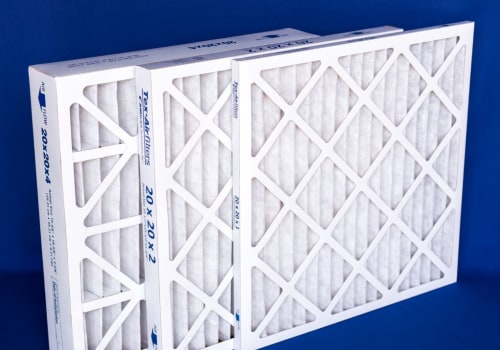
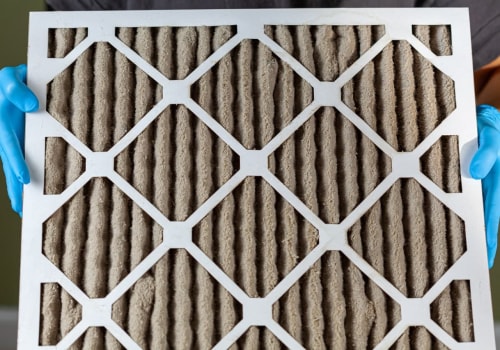
Furnace filters play a crucial role in maintaining the efficiency and air quality of your home’s heating and cooling systems. These filters are designed to trap dust, allergens, and other airborne particles, preventing them from circulating throughout your living space. By doing so, they not only protect your HVAC system from potential damage but also contribute to a healthier indoor environment. Understanding the different types of furnace filters available and their specific functions is essential for homeowners looking to optimize their HVAC performance.There are several types of furnace filters, each varying in material, thickness, and filtration capabilities.
Common options include fiberglass filters, pleated filters, and HEPA filters, each offering distinct advantages and disadvantages. For instance, while fiberglass filters are inexpensive and easy to replace, they may not capture smaller particles effectively. On the other hand, pleated filters provide a larger surface area for trapping contaminants and can significantly improve air quality. The choice of filter type can greatly influence the overall efficiency of your heating system.The importance of furnace filters cannot be overstated.
Regularly changing or upgrading your filter can lead to improved airflow, reduced energy consumption, and enhanced comfort levels in your home. A clean filter allows your HVAC system to operate more efficiently, reducing strain on the unit and potentially extending its lifespan. Moreover, by selecting a filter with a higher MERV rating, you can ensure that even the smallest particles are captured, leading to cleaner air and a healthier living environment.
What is a 16x25x4 Furnace Filter?
A 16x25x4 furnace filter is a specific type of air filter designed to fit HVAC systems that require filters of this size. The dimensions indicate that the filter measures 16 inches in width, 25 inches in length, and 4 inches in thickness.Understanding these dimensions is crucial for homeowners and HVAC professionals alike, as they directly impact the filter's performance and compatibility with heating and cooling systems.The dimensions of furnace filters are standardized to ensure they fit into various furnace models. The first number, 16, represents the width of the filter, while the second number, 25, indicates its length. The last number, 4, refers to the thickness of the filter. This thickness is particularly significant because it affects how much air can pass through the filter and how effectively it can trap airborne particles.When selecting a 16x25x4 filter , it’s essential to consider its specifications.
These filters typically come with varying MERV ratings (Minimum Efficiency Reporting Value), which measure their ability to capture different sizes of particles. A higher MERV rating indicates better filtration capabilities, meaning that a filter with a MERV rating of 11 or higher can effectively trap smaller particles such as pollen, dust mites, and pet dander.In addition to MERV ratings, other specifications to look for include:
- Filter Material: Common materials include fiberglass, pleated fabric, and electrostatic options. Each material has its advantages in terms of filtration efficiency and airflow.
- Filter Lifespan: Depending on usage and environmental factors, a 16x25x4 filter may need replacement every 3 to 6 months.
- Airflow Resistance: Thicker filters generally have lower airflow resistance compared to thinner ones, allowing for better system efficiency.
Advantages of Thicker Furnace Filters
When it comes to maintaining a comfortable and healthy indoor environment, the choice of furnace filter plays a crucial role.Opting for a thicker furnace filter, such as the 16x25x4 furnace filter, offers several significant advantages that can enhance both air quality and system efficiency.
Improved Air Quality
One of the most compelling reasons to choose a thicker filter is its ability to significantly improve indoor air quality. Thicker filters have a larger surface area, which allows them to capture more airborne particles, including dust, pollen, pet dander, and even mold spores. This is particularly beneficial for households with allergy sufferers or individuals with respiratory issues. By trapping these contaminants more effectively, thicker filters help ensure that the air circulating through your home is cleaner and healthier.
Enhanced Airflow
While it may seem counterintuitive, thicker filters can actually promote better airflow within your heating system.
A standard 1-inch filter can become clogged quickly, leading to restricted airflow and forcing your furnace to work harder. In contrast, a 16x25x4 furnace filter maintains optimal airflow for a longer period due to its increased capacity for dirt and debris accumulation. This means your heating system operates more efficiently, reducing energy consumption and lowering utility bills.
Longer Lifespan
Thicker filters not only capture more particles but also tend to last longer than their thinner counterparts. Because they can hold more dirt before becoming saturated, you won’t need to replace them as frequently.
This not only saves you time but also reduces the overall cost of maintenance. A longer-lasting filter means fewer trips to the store and less hassle in keeping up with regular replacements.
Cost-Effectiveness
Investing in a thicker filter may have a higher upfront cost compared to standard filters; however, the long-term savings can be substantial. With improved efficiency and reduced frequency of replacements, homeowners often find that thicker filters are more cost-effective over time. Additionally, by enhancing the performance of your HVAC system, you may experience fewer repair costs due to less strain on the equipment.
Conclusion
In summary, choosing a thicker furnace filter like the 16x25x4 furnace filter provides numerous benefits that contribute to better air quality, improved airflow, and longer lifespan.
By making this simple switch, you can create a healthier living environment while also ensuring your heating system operates at peak efficiency.
Airflow Efficiency and Filtration Performance
When it comes to maintaining a comfortable and healthy indoor environment, the airflow efficiency and filtration performance of your heating system are paramount. Thicker furnace filters, such as the 16x25x4 furnace filter , play a crucial role in enhancing both aspects, leading to improved air quality and system longevity.One of the primary benefits of using a thicker filter is its ability to facilitate better airflow. Unlike standard 1-inch filters, which can quickly become clogged with dust and debris, a 4-inch filter has a larger surface area. This increased surface area allows for more air to pass through without significant resistance.As a result, your heating system can operate more efficiently, reducing energy consumption and lowering utility bills.Moreover, the design of thicker filters means they can trap more particles before needing replacement. This is particularly important for households with pets, allergies, or respiratory issues. A thicker filter can capture a wider range of contaminants, including pollen, pet dander, mold spores, and even some bacteria and viruses.
MERV Ratings Explained
The effectiveness of a furnace filter is often measured by its MERV rating , which stands for Minimum Efficiency Reporting Value. This rating system ranges from 1 to 16, with higher numbers indicating better filtration capabilities.For instance:
- MERV 1-4: Basic filtration; captures large particles like dust and lint.
- MERV 5-8: Better filtration; effective against mold spores and pet dander.
- MERV 9-12: High-efficiency filtration; captures smaller particles including smoke and smog.
- MERV 13-16: Superior filtration; ideal for those with allergies or respiratory conditions.
Cost-Effectiveness of Thicker Filters
When considering the cost-effectiveness of furnace filters, particularly the thicker options like the 16x25x4 furnace filter, it’s essential to look beyond the initial purchase price.While thicker filters may have a higher upfront cost compared to their 1-inch counterparts, the long-term savings they offer can significantly outweigh this initial investment.One of the primary advantages of thicker filters is their reduced frequency of replacements. Standard 1-inch filters typically need to be changed every one to three months, depending on usage and environmental factors. In contrast, a 4-inch filter can last anywhere from six months to a year or even longer. This extended lifespan means fewer trips to the store and less time spent on maintenance, which can add up to substantial savings over time.Moreover, by opting for a thicker filter, homeowners can also experience lower HVAC maintenance costs.
Thicker filters are designed to capture more dust, allergens, and other particles from the air. This enhanced filtration helps keep your HVAC system cleaner and running more efficiently. A cleaner system is less likely to suffer from issues such as overheating or mechanical failure, which can lead to costly repairs. Regular maintenance checks may also be less frequent, further reducing overall expenses.In addition to these savings, using a thicker filter can improve the overall efficiency of your heating and cooling system.
When your system operates efficiently, it consumes less energy, which translates into lower utility bills. The improved airflow provided by a thicker filter means that your furnace doesn’t have to work as hard to maintain the desired temperature in your home.To summarize, while the initial cost of a thicker furnace filter like the 16x25x4 may be higher than that of standard filters, the long-term benefits are clear:
- Fewer replacements: Save money and time with less frequent changes.
- Lower maintenance costs: Reduce the risk of HVAC issues and repairs.
- Energy efficiency: Enjoy lower utility bills due to improved system performance.
Choosing the Right Thickness for Your System
When it comes to selecting the right thickness for your furnace filter, understanding your HVAC system's requirements is crucial. The thickness of a filter can significantly impact both the efficiency of your heating and cooling systems and the quality of air circulating in your home. Here are some key considerations to help you choose the appropriate thickness for your furnace filter.Understanding Filter Thickness Options
Furnace filters typically come in various thicknesses, ranging from 1 inch to 5 inches.The most common sizes include:
- 1-inch filters: These are standard filters that fit most basic HVAC systems but may require more frequent changes.
- 2-inch filters: A step up from 1-inch filters, these provide better filtration and longer lifespan.
- 4-inch filters: These thicker options offer superior filtration capabilities and can last several months before needing replacement.
- 5-inch filters: Ideal for high-efficiency systems, these filters provide maximum airflow and filtration.
Compatibility with Your HVAC System
Before purchasing a thicker filter, it’s essential to check your HVAC system’s specifications. Not all systems can accommodate thicker filters due to space constraints. Here are some steps to ensure compatibility:- Consult the Manufacturer's Guidelines: Review the user manual or manufacturer’s website for recommended filter sizes and thicknesses.
- Measure the Filter Slot: Use a tape measure to determine the dimensions of the filter slot in your furnace or air handler. This will help you identify the maximum thickness that can fit.
- Consider Airflow Requirements: Thicker filters can sometimes restrict airflow if not properly matched with your system.
Ensure that your HVAC unit is designed to handle the increased resistance that comes with a thicker filter.
Recommendations for Optimal Performance
If you have determined that your system can accommodate a thicker filter, consider the following recommendations:- Select a MERV Rating: Choose a filter with an appropriate Minimum Efficiency Reporting Value (MERV) rating based on your air quality needs. Higher MERV ratings indicate better filtration but may also restrict airflow.
- Regular Maintenance: Even with a thicker filter, regular maintenance is essential. Check and replace filters as needed to maintain optimal performance.
Common Misconceptions About Thicker Filters
When it comes to furnace filters, particularly the 16x25x4 furnace filter, there are several misconceptions that can lead homeowners to make uninformed decisions.Understanding these myths is crucial for optimizing your HVAC system's performance and ensuring good air quality in your home.
Myth 1: Thicker Filters Restrict Airflow
One of the most prevalent misconceptions is that thicker filters, such as the 4-inch options, significantly restrict airflow compared to their thinner counterparts. In reality, a thicker filter can actually enhance airflow due to its larger surface area. This increased area allows for more air to pass through without creating excessive resistance. As a result, your heating and cooling system can operate more efficiently, maintaining optimal temperatures without overworking the unit.
Myth 2: Thicker Filters Are Not Compatible with All Systems
Another common belief is that thicker filters cannot be used in all HVAC systems.
While it’s true that not every system is designed to accommodate a 4-inch filter, many modern systems are built with flexibility in mind. Homeowners should consult their HVAC manuals or professionals to determine the appropriate filter thickness for their specific units. In many cases, upgrading to a thicker filter can be a straightforward process that yields significant benefits.
Myth 3: Thicker Filters Require More Frequent Changes
Some people assume that because thicker filters have more material, they will need to be changed more often. This is misleading; in fact, thicker filters often have a longer lifespan than thinner ones.
They can capture more dust and allergens before becoming clogged, which means they typically need replacement less frequently. Homeowners can enjoy cleaner air for longer periods without the hassle of constant filter changes.
Myth 4: All Thicker Filters Are Created Equal
Not all thick filters offer the same level of filtration efficiency. The MERV (Minimum Efficiency Reporting Value) rating plays a critical role in determining how well a filter captures particles. A higher MERV rating indicates better filtration capabilities.
Therefore, when selecting a thicker filter like the 16x25x4 furnace filter, it’s essential to consider both thickness and MERV rating to ensure you’re getting the best performance for your system.In conclusion, debunking these common misconceptions about thicker furnace filters can empower homeowners to make informed choices that enhance their HVAC systems' efficiency and improve indoor air quality. By understanding the true benefits and limitations of thicker filters, you can optimize your home’s heating and cooling performance effectively.
Maintenance Tips for Thicker Filters
Maintaining a thicker furnace filter, such as the 16x25x4 furnace filter, is essential for ensuring optimal performance and extending its lifespan. Here are some practical tips to help you keep your filter in top condition:- Regular Inspection: Check your filter every month, especially during peak heating or cooling seasons. Look for visible dirt and debris accumulation.
If the filter appears clogged, it’s time for a change.
- Change Frequency: While thicker filters can last longer than standard 1-inch filters, it’s still important to replace them regularly. Depending on your home environment, consider changing your 16x25x4 furnace filter every 3 to 6 months. Homes with pets or high dust levels may require more frequent changes.
- Proper Installation: Ensure that the filter is installed correctly in the furnace. An improperly fitted filter can lead to air leaks and reduced efficiency.
Always check the airflow direction indicated on the filter frame.
- Cleaning Options: Some thicker filters are washable and reusable. If your filter is designed for cleaning, follow the manufacturer’s instructions carefully. Typically, this involves rinsing it with water and allowing it to dry completely before reinstalling.
- Monitor Air Quality: Keep an eye on your indoor air quality. If you notice an increase in dust or allergens, it may indicate that your filter needs attention sooner than expected.
- Use a Filter Reminder: Set reminders on your phone or calendar to check and replace your filters regularly.
This simple step can help you avoid neglecting maintenance.
<strong>Conclusion</strong>
In summary, opting for a thicker 16x25x4 furnace filter presents numerous advantages that can significantly enhance both the efficiency of your heating system and the quality of air within your home. Throughout this article, we have explored several key benefits that underscore the importance of making this choice.- Improved Airflow: Thicker filters provide a larger surface area for air to pass through, which minimizes airflow restriction. This allows your HVAC system to operate more efficiently, ensuring that heated or cooled air circulates effectively throughout your living spaces.
- Enhanced Filtration: With a higher MERV rating, thicker filters are better equipped to capture smaller particles, allergens, and pollutants.
This means cleaner air for you and your family, reducing the risk of respiratory issues and allergies.
- Longer Lifespan: Thicker filters can hold more dirt and debris before needing replacement. This not only saves you time and money on frequent changes but also ensures that your system runs optimally for longer periods.
- Less Frequent Maintenance: Because they can trap more contaminants, thicker filters require less frequent replacements compared to their thinner counterparts. This convenience is a significant advantage for busy homeowners.
Not only will you enjoy cleaner air and a more efficient heating system, but you will also contribute to a healthier living environment for you and your loved ones.In final thoughts, when considering your next furnace filter purchase, remember that thickness matters. A thicker filter is not just an upgrade; it’s an essential component in maintaining a comfortable and healthy home atmosphere. Make the switch today and experience the difference for yourself!.